Scrubbing in, experiencing having to make life-saving decisions in high-stakes medical environments, and observing real human organs.
At a time when demand for skilled health care workers continues to grow, students in Canyons District’s inaugural Medical Scholars Program are being exposed to the world of medicine in ways most don’t encounter until college.
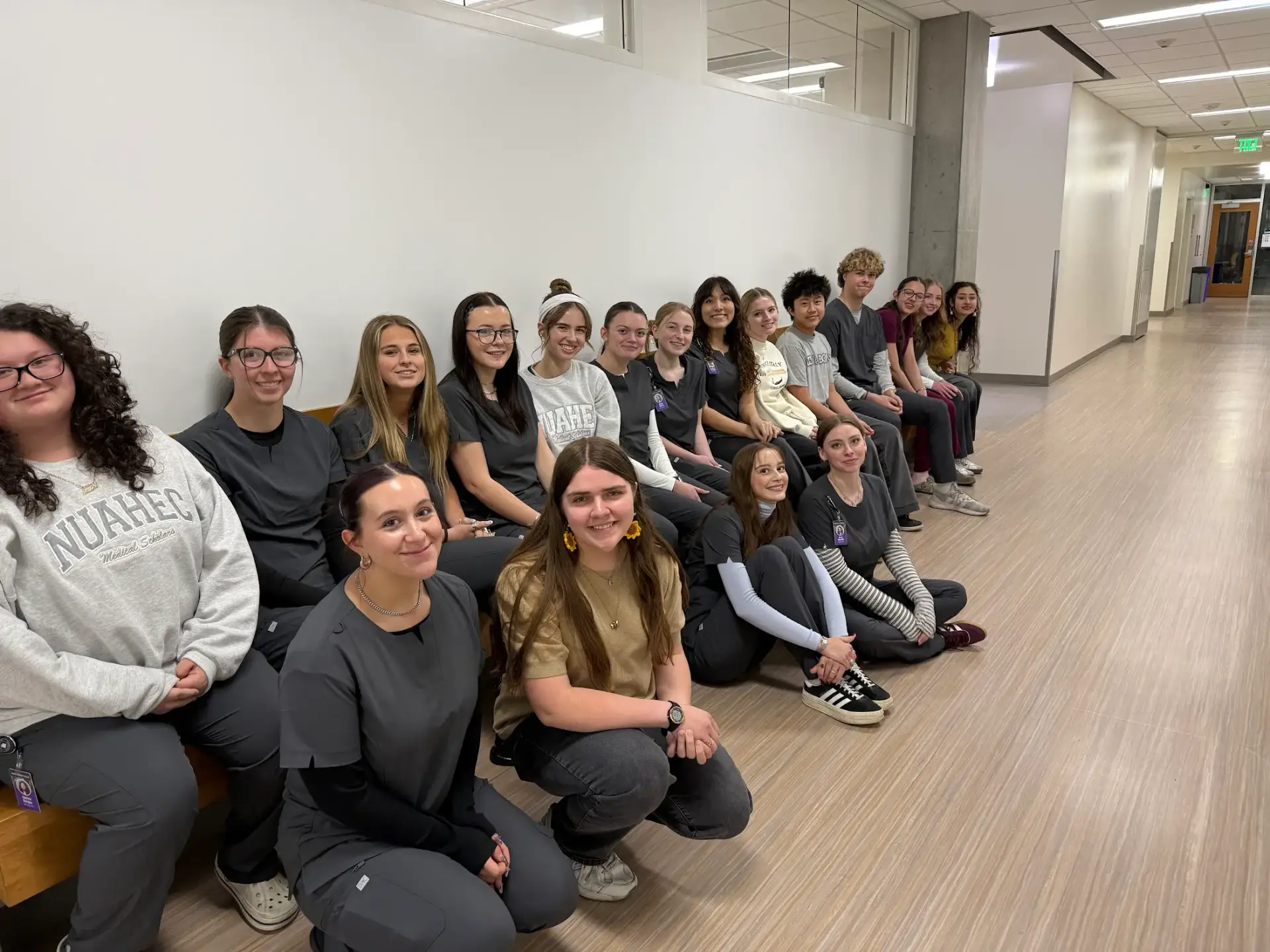
Offered in partnership with Weber State University, Northern Utah AHEC, and Intermountain Health and HCA Healthcare, the Canyons Technical Education Center program blends rigorous classroom instruction with clinical observation — which the program’s first cohort of students got a taste of the week before Spring Recess.
“This program gives high school students boots-on-the-ground exposure to the medical field,” said instructor Sydney Carlson who co-teaches the course with Fred Henderson, an adjunct professor at Weber State. “From suturing pigs feet to participating in clinical simulations, this is an advanced, hands-on experience.”
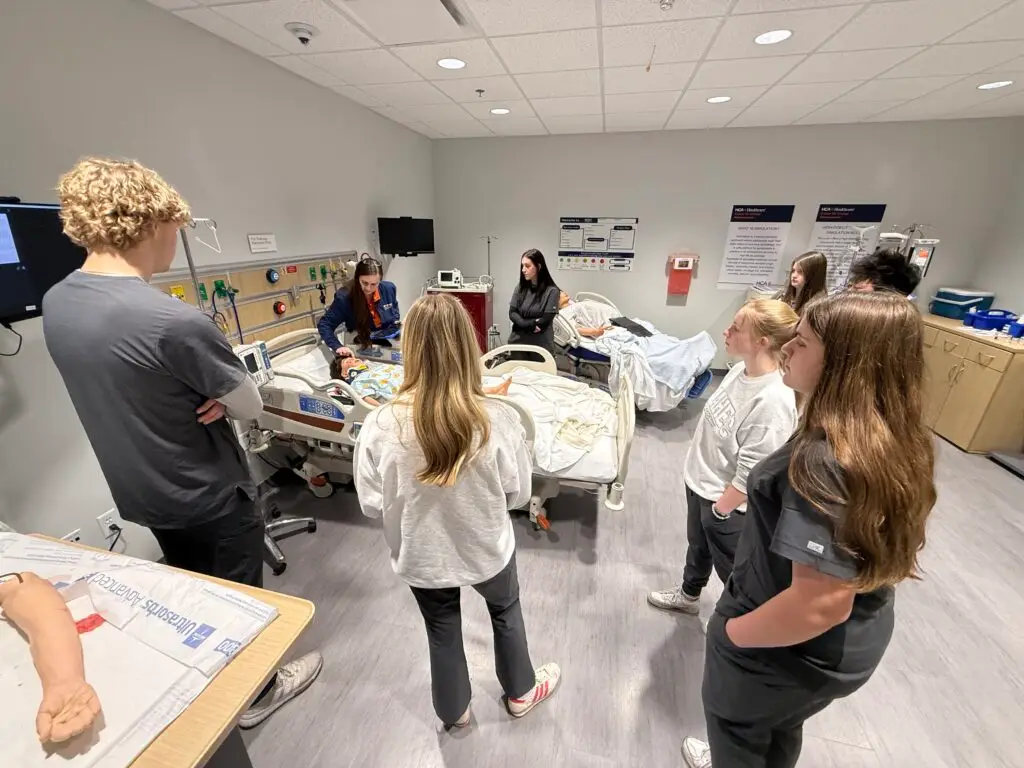
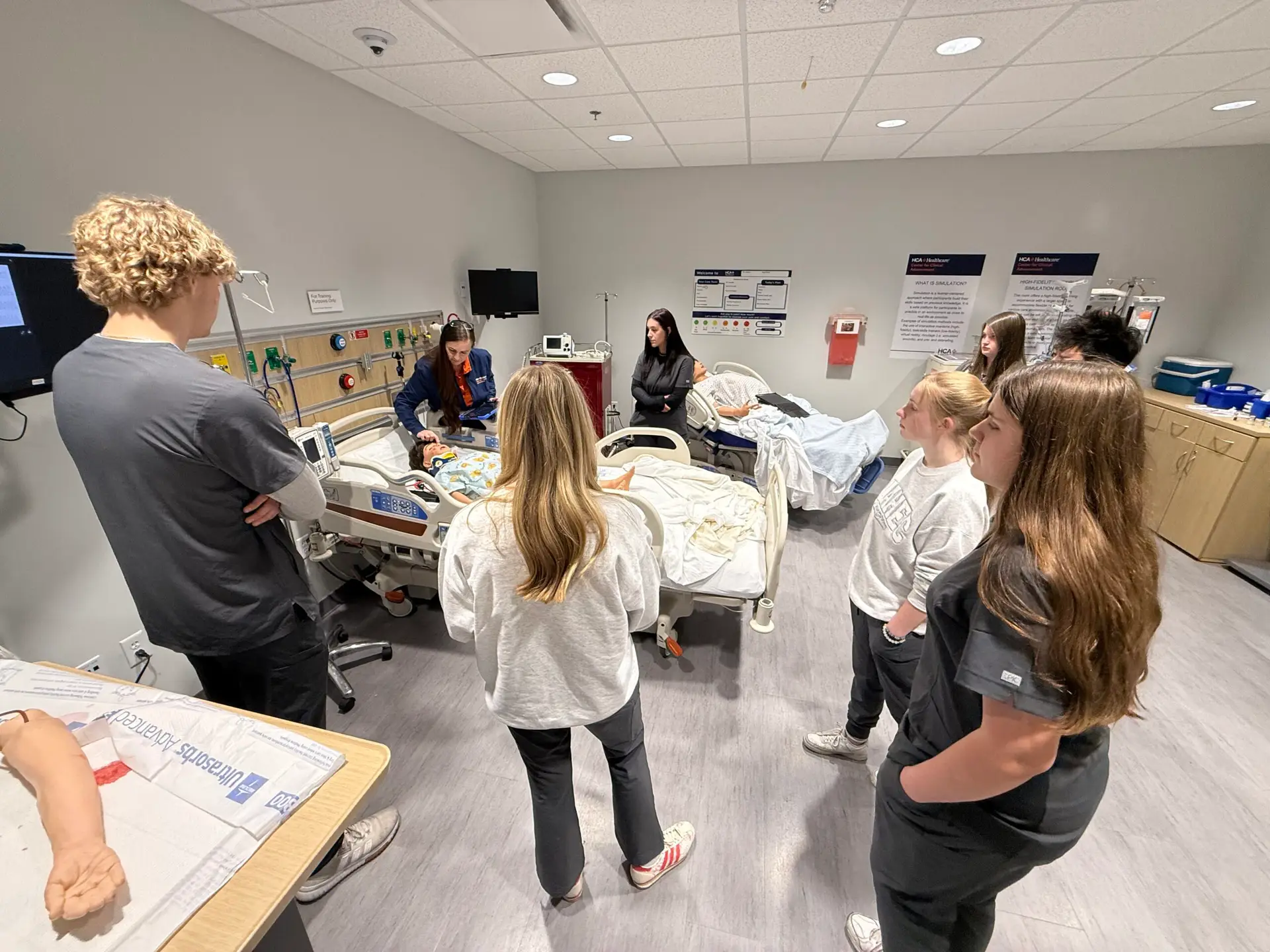
The week began at Lone Peak Hospital’s Center for Clinical Advancement where 25 students stepped into the same simulation environment used to train practicing health care professionals.
Students worked through clinical scenarios modeled after real cases, the kind nurses and medical teams must navigate as part of certification and training. “They learned that, while precision matters, so does teamwork,” Carlson said.
The next day, 13 students visited Alta View Hospital for a systems-level walkthrough of how a hospital operates. Led by hospital President Scott Roberson, the group toured the MRI imaging suite, the helipad used for emergency transport, the acute care unit, and other clinical spaces. It was a lesson in how departments interconnect and how patient care flows from intake to treatment under the care of trained professionals using life-saving technologies.
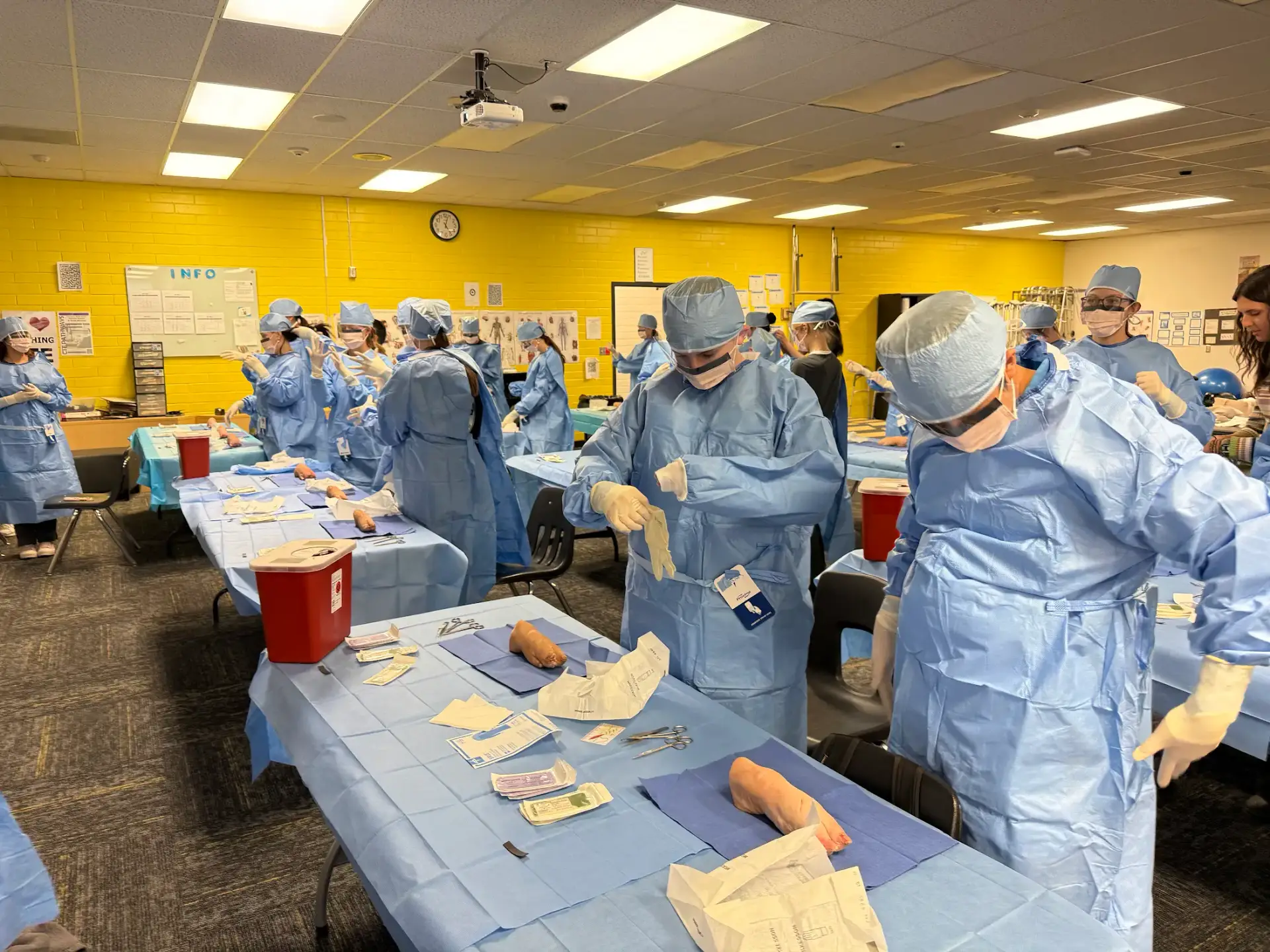
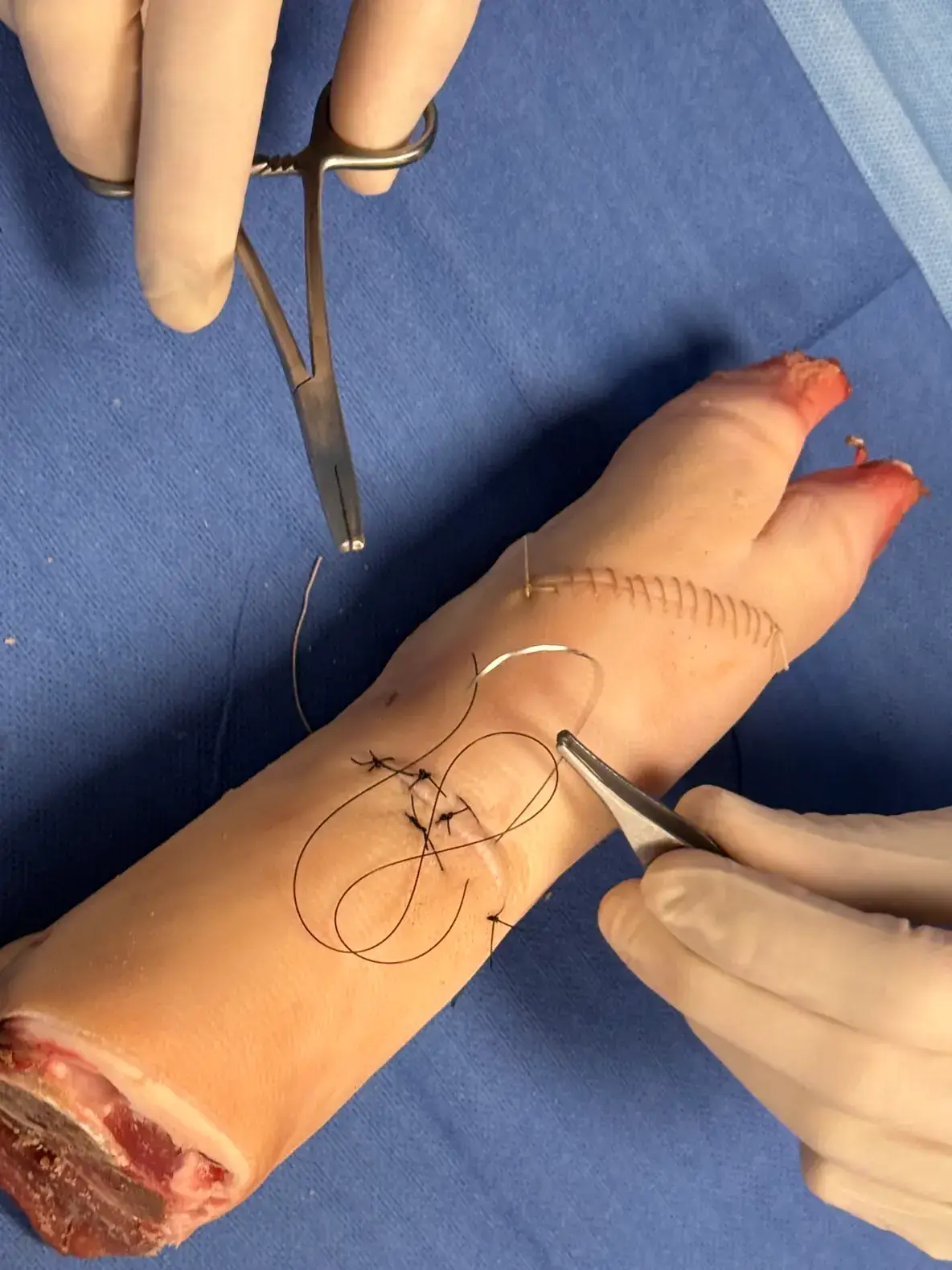
On Thursday, 25 students traveled to Primary Children’s Hospital for a lab led by a surgical technologist. They suited up in surgical gowns and learned — and practiced — the protocols that define operating environments, from maintaining a sterile field to basic suturing skills using a pig’s feet.
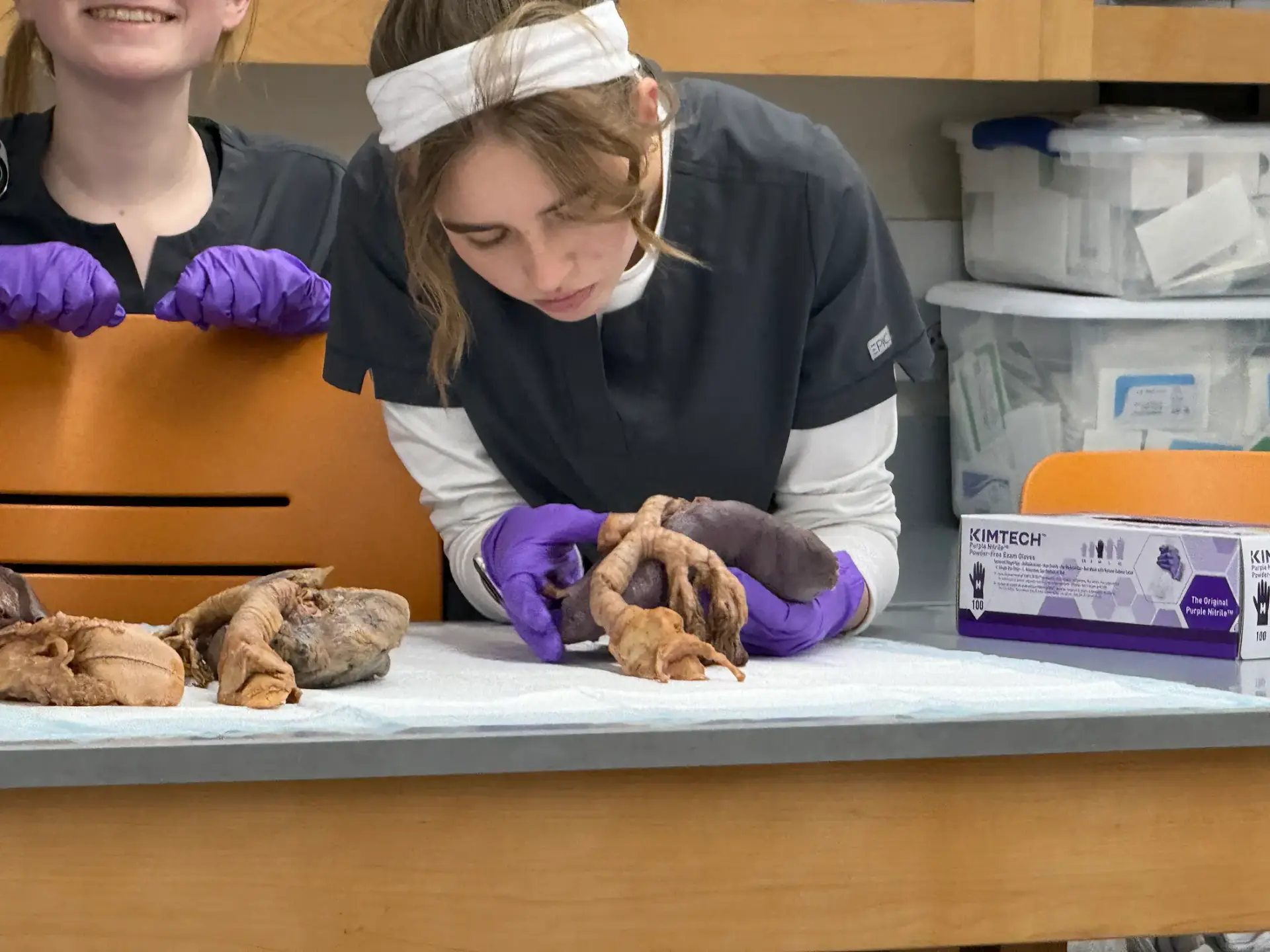
The week culminated Friday with an immersive anatomy experience at Weber State’s cadaver lab. Eighteen students observed real organs and examined skeletal structures, gaining an anatomical understanding beyond what textbooks or digital models can provide.
“For the students, the impact of this kind of experience is immediate,” Carlson said. “It reinforces the human side of medicine and helps them build confidence and leave with a clearer sense of direction and deeper understanding of what it means to care for others in moments when that matters most.”
What’s more, students who complete the program can earn 4.0 concurrent enrollment credits at a fraction of the cost of college tuition, giving them a head start on college and their futures.