Turn on the news or open a news app and you’ll likely see headlines about a rise in communicable diseases, particularly cases of measles in Utah and other states. According to Johns Hopkins University, Utah is in the top five states for total cases of measles in 2026.
Canyons School District’s team of nurses are keeping a close eye on three communicable diseases, measles, pertussis (whooping cough), and chickenpox (varicella), while still working through the tail-end of the respiratory illness season.
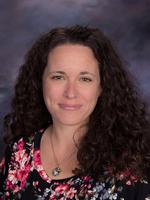
“Communicable is something that is spread from person to person,” says Jen Gerrard, Canyons’ nursing specialist, “where infectious disease can be spread person to person, but it can also be picked up from the environment such as salmonella from food or tetanus from soil.”
The other two main difference between communicable and infectious diseases, is communicable diseases must be reported to the Utah Department of Health & Human Services and are vaccine preventable.
“Obviously hygiene is one of the main things that’s going to give you some protection from catching things,” Gerrard says, “and vaccines are going to be your best option for protection. Not everyone can get vaccines. There are those that are immune compromised, people who are pregnant, they specifically can’t get an MMR vaccine during pregnancy. And there are also personal beliefs, religious beliefs but vaccines have been proven to reliably prevent the spread of many of these reportable diseases.”
As with any other spreadable illness, Gerrard recommends staying home if you feel sick or are running a fever. If you have concerns about what ails you, avoiding contact with others is best.
Gerrard says when people hear measles, they generally think of a rash which is actually a late sign of measles. As with many illnesses, measles starts as a cough, runny nose, and high fever. The rash doesn’t develop until three to four days after symptoms begin. Measles are contagious at least four to five days before the rash begins and remain contagious another week after.
“It’s never just a rash,” Gerrard says. “It’s usually accompanied by other symptoms that may mimic some of the other respiratory viruses we experience. The fever tends to be higher than what you would typically see with influenza, or step, or other illnesses.”
Gerrard and her team have protocols for following in the event of a confirmed communicable disease. In matters of public health, Canyons Districts takes its cues from local health authorities, and the school nurse becomes the main point of contact, liaising between the school, family, and Salt Lake County Health Department.
District health specialists will then also review immunization records for students and staff alike, determining risk levels for everyone in the school and, as required by the department of health, and then notify anyone without immunity how long they need to avoid the building or watch for symptoms.
Gerrard recommends finding vaccination records for everyone in the family. For some, those records can be difficult to locate, from old baby memory books to physical copies of school records. Another possibility is downloading the Docket app where health records are uploaded by healthcare providers.
If those records aren’t available, Gerrard says there are tests available to determine if you’ve had a past vaccine. Or you can simply get revaccinated.
“It’s really important to make sure that you’re up to date on your vaccinations,” Gerrard says, “if you have a young child, if you’re thinking of becoming pregnant, if you are taking care of elderly parents, if you’re in an environment where you could be potentially exposing those that are at increased risk for complications and aren’t able to get vaccinated or they’re just an increased risk overall in general.”
Canyons District will be offering a student vaccine clinic at the District office on Thursday, April 23 from 3-6 p.m. where students can receive all of their school required vaccines. Employees can also obtain MMR and Tdap vaccines at the clinic.
“We have worked really hard to try to be proactive,” Gerrard says. “My overall advice would be get vaccinated if you can. If that’s something you’re unsure of, check with your healthcare provider and have conversations about the risk versus benefits of getting vaccinated.”

Tools
Resources
About
View District Performance Levels* Due to new ELA assessments, the release of the 2024-2025 report card from USBE will be significantly delayed