As Utah enters another hot, dry summer and state leaders call for increased water conservation, Canyons School District is taking steps to reduce water use while protecting the school grounds students and communities rely on every day.
This work is no small task.
Across its 47 schools, Canyons maintains approximately 372 acres of grass — an area equal to nearly 282 football fields. From neighborhood green spaces to athletic fields that host tens-of-thousands of students each year, these landscapes require careful stewardship during the summer months.
“We’re watering to survive, not thrive,” said CSD Facilities Director Matt Wolford. “Our goal is to keep our grass healthy enough to make it through the summer while using as little water as possible.”
Gov. Spencer Cox recently issued an executive order urging Utahns to conserve water amid ongoing drought conditions, while releasing water resources to preserve the Great Salt Lake. In response, Canyons has intensified efforts already underway to reduce irrigation use.
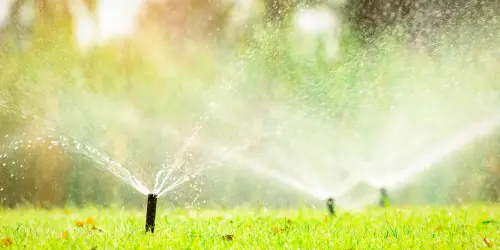
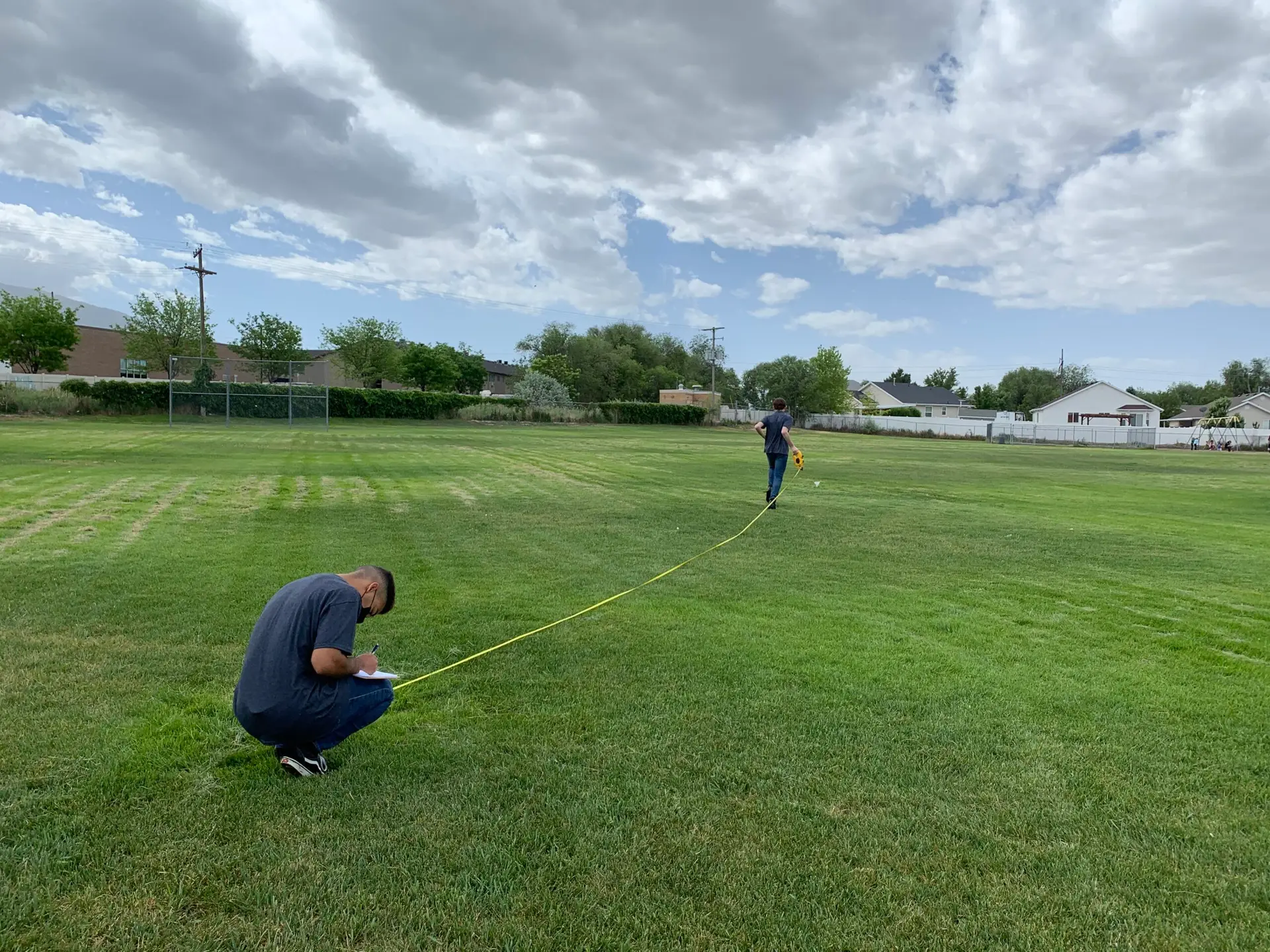
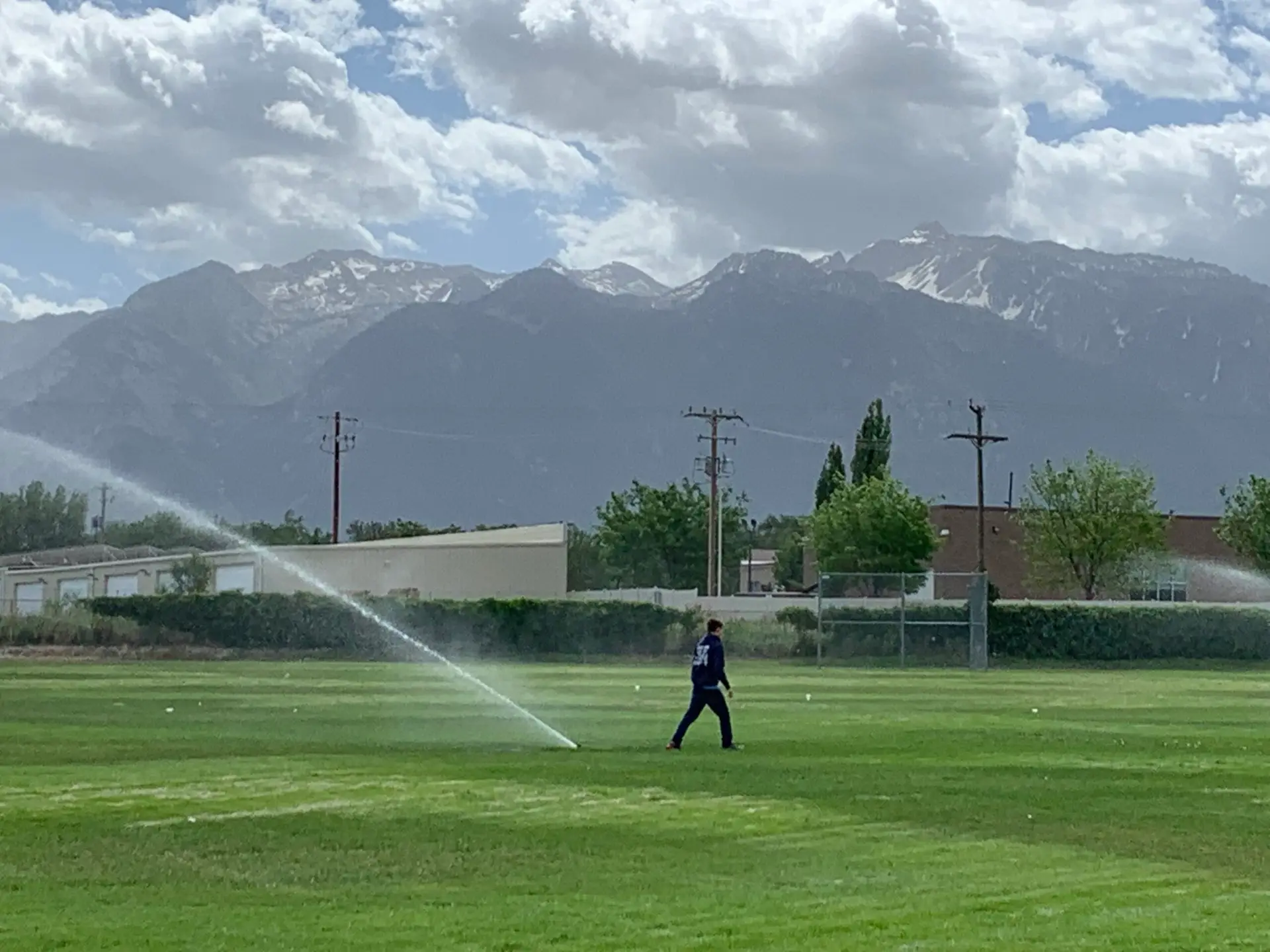
Every school has an Assistant Facilities Manager who oversees irrigation systems on campus, monitors watering schedules, and identifies broken sprinkler heads, leaks, or overspray. Grounds crews and facilities staff work alongside custodians to make repairs and ensure water is being applied only where and when it’s needed.
The District’s irrigation systems are programmed based on a variety of factors, including weather conditions, precipitation levels, soil type, and the intended use of the turf.
Not all grass is treated equally.
Athletic fields and heavily used play areas receive priority because they support physical education classes, extracurricular activities, and community recreation. These fields need to support heavy use and properly maintained, they provide a safe surface for student athletes.
Ornamental grass areas receive less water and are among the first places where irrigation is reduced during drought conditions.
“We’ve moved away from blanket watering practices and customized watering schedules for individual sites,” said Facilities Grounds and Building Services Lead Kelly Smolik. “Some schools have sandy soil that drains quickly. Others have clay soils that retain moisture longer. We adjust accordingly.”
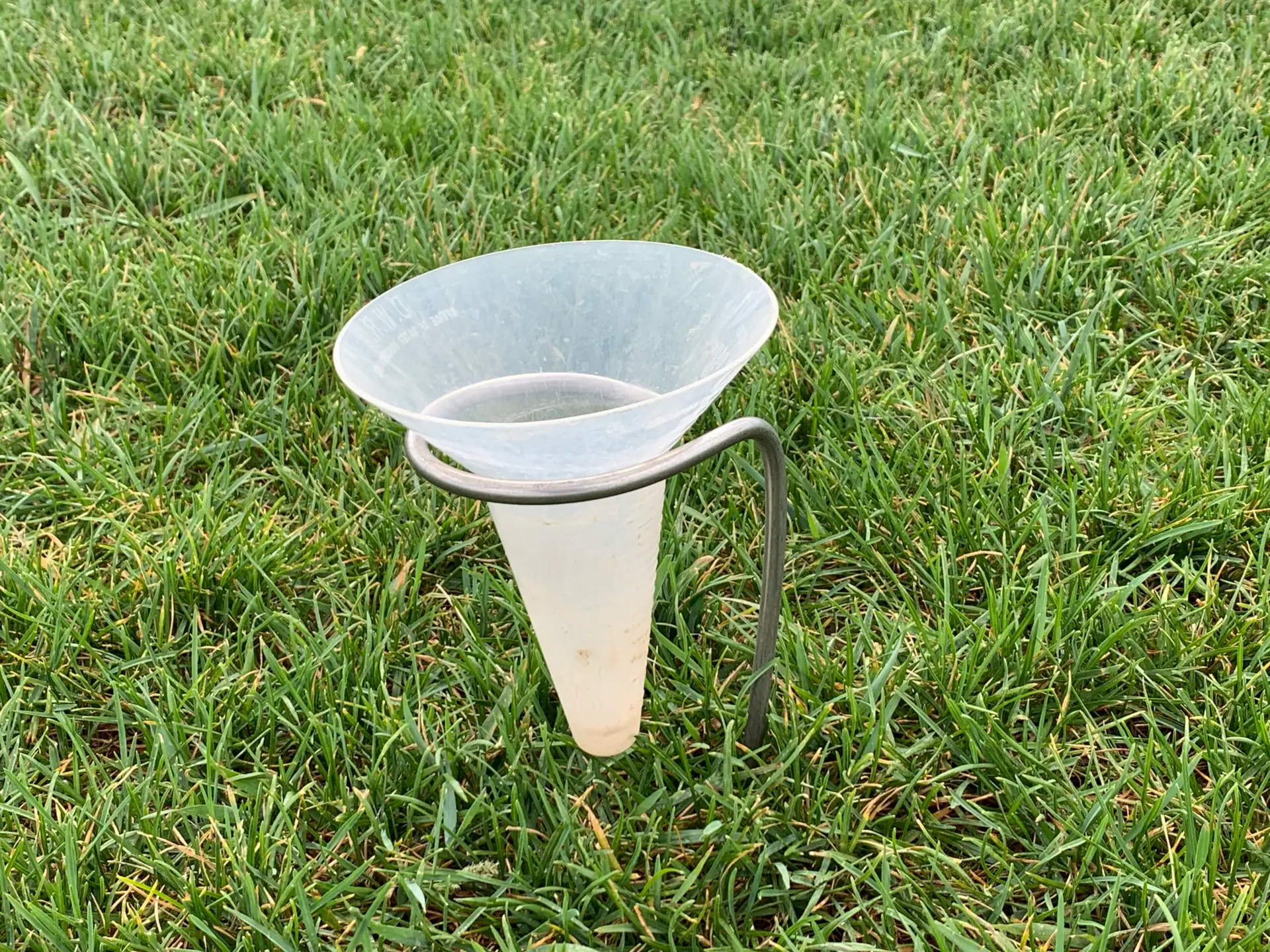
The District also relies on technology to identify opportunities for conservation. Irrigation systems are monitored using software that tracks historical usage and watering patterns.
It helps when community members report issues with sprinkler heads or broken equipment by emailing communications@canyonsdistrict.org — and when leaks occur, crews respond quickly.
“These are very large systems,” Smolik said. “Even a small problem can result in a significant amount of water loss, so repairs are a top priority.”
The District estimates its conservation efforts have reduced water use by about 20 percent in recent years. Additional measures include delaying the start of irrigation season as long as conditions allow, adopting water-wise landscaping, installing more efficient irrigation equipment, and exploring new soil treatments that help grass retain moisture longer.
Beyond environmental concerns, conservation also makes financial sense.
“These are taxpayer dollars,” Wolford said. “We want our community to know we’re being thoughtful about how we use resources. Conserving water helps us be good stewards of both our environment and our budget.”
Being waterwise means some school lawns won’t look lush and green. “We want our communities to understand we aren’t neglecting our fields. We take seriously the management of our facilities and grounds. They are a community investment and resource,” Smolik said. But as drought conditions persist, the focus remains clear: use only what is necessary, maintain safe and functional campuses, and continue looking for ways to conserve more.
“It’s something we all share responsibility for,” Smolik said. “Water is a resource we all need, and every gallon we save helps.”
What can homeowners and local businesses do to help slow the flow? Great resources and government rebates to help pay for waterwise tools and strategies can be found on this website.